
If you run a stretch tent rental business, proper tent care helps extend its lifespan and maximise your investment. One of our clients; a Cape Town-based wedding venue; has proven the efficacy of stretch tent care: Their RHI stretch tent has been used for over 130 weddings and still looks dashing, thanks to the RHI Stretch Tents Care Guide.
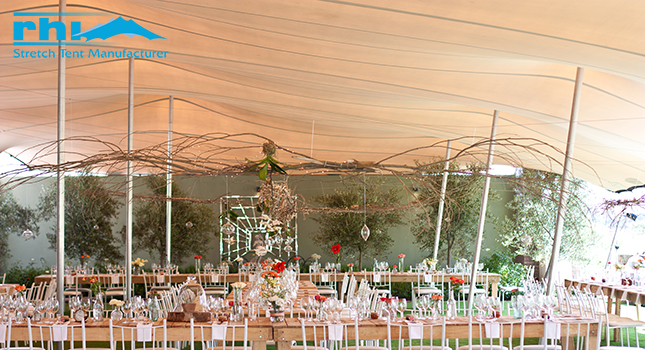
Four key components of stretch tent care:
- Keep your tent clean using groundsheets.
- Administer care during setup and breakdown.
- Adhere to general maintenance and storing guidelines.
- Keep rigging equipment in good working order.
1. Keeping Your Tent Clean
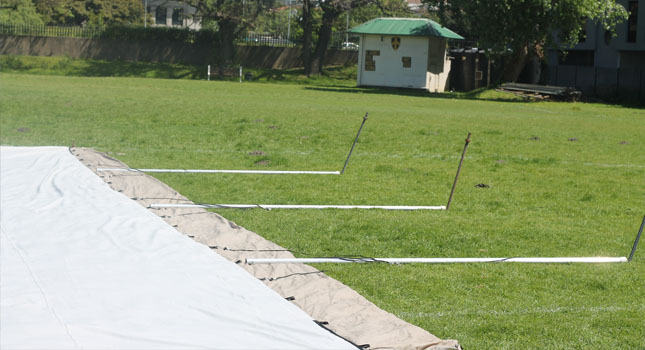
- To prevent your tent from picking up dirt, lay groundsheets underneath the tent during setup and breakdown.
- Your rigging team should always use clean groundsheets.
- Clearly mark each groundsheet to identify the side that touches the ground and the clean side that faces up.
- Ensure that all pole tops that will be in contact with the fabric are wiped clean before every setup.
2. Administering Care During Setup and Breakdown
- Before laying down the groundsheet, ensure that there are no sharp objects that could pierce through both the groundsheet and the stretch tent membrane.
- Ensure that there are no overhead threats (like tree branches) that could pierce or damage the tent when the long central poles are inserted.
- Handle the tent membranes on the edges of the tent.
- Refrain from walking over the tent when it’s flat on the ground.
- Prior to breaking down, make sure there is no broken glass or other “threats” left behind from the function.
3. Adhering to General Maintenance and Storing
- Before taking down the tent, note any cleaning or maintenance needed before the next rental cycle.
- Spot clean bird droppings from the topside of the tent.
- Follow the correct cleaning guidelines when cleaning your tent and refrain from using harsh cleaning agents.
- Specific attention should be paid to all lug attachment points to ensure they will not fail and potentially cause damage to the tent.
- If a tent is dirty and wet when removed from site, clean and air dry the tent as soon as possible thereafter.
- When on- and off-loading your tent from the transport vehicle, ensure that there are no threats that could damage the tent.
- Ensure your tent is completely dry before packing it away. Always store it in RHI’s dust bag and heavy-duty PVC bag.
4. Keeping Rigging Equipment in Good Working Order
- Pay careful attention to the components that are critical to the structure of the tent. Rigging equipment failure, particularly in high winds, could cause the tent to flap and tear on nearby threats.
- All ropes should be checked for fraying after a rental cycle.
- All stakes / pegs should be checked to ensure that they are straight.
- All poles should be checked for kinking or bowing.